
Pelvic floor
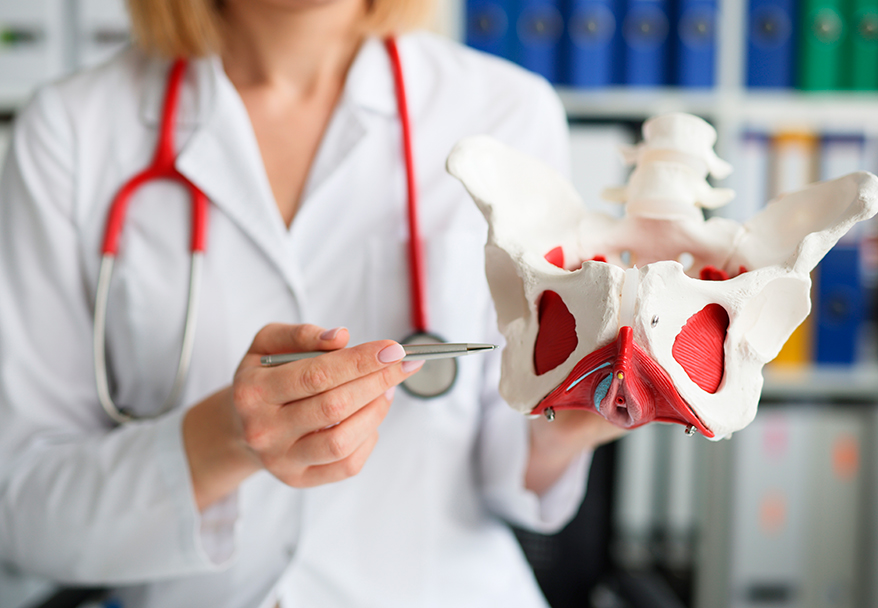
The pelvic floor is a set of muscles that support the lower abdomen and support the bladder, the uterus and the rectum.
It is essential that this musculature maintains good function, since the weakness of the pelvic floor is the cause of urinary stress incontinence, cystocele (the bladder moves down), rectocele (the rectum descends), descent of the uterus, dysfunctions sexual (pain when having sex, decreased sensitivity and difficulty reaching orgasm).
The lesion or weakness of the perineal muscles can be caused by various causes:
- In pregnancy, both the weight of the uterus and the relaxing effect of hormones can weaken the pelvic floor.
- Childbirth causes injuries to the muscle and nerve endings of the perineum during the expulsive period. In addition, the efforts made act directly on the pelvic floor muscles.
- The lack of estrogen in menopausal women causes loss of tone and sagging of the perineal muscles.
- Perineal surgeries
- Obesity
- Constipation
- Chronic cough, in the case of women smokers or carriers of pulmonary pathology
- Risk professions (athletes, singers, wind instrument musicians).
Prevention is important knowing the individual risk to present pelvic floor dysfunction, going to the gynecologist to assess our pelvic floor and, if necessary, referral to the pelvic floor unit (see section Physiotherapy of pelvic floor).
To prevent and/or treat pelvic floor dysfunction, it is important:
- Change lifestyle habits:
- Avoid overweight, through adequate nutrition and physical exercise, abandoning sedentary customs and opting for a more active lifestyle.
- Avoid intense exercises that cause increases in intra-abdominal pressure (replace classic abdominal exercises with hypopressive exercises).
- Decrease the intake of tea or coffee.
- Regularize intestinal rhythm.
- Facilitate urination. Not enduring the desire to go to the bathroom for a long time; Evacuation of urine should be uninterrupted, effortless and painless
- Performing exercise guided by a pelvic floor physiotherapist:
You can see our section of Pelvic Floor Physiotherapy